


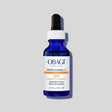


Even, brighter skin tone
Pigmentation & Dark Spots
Skincare for pigmentation works best with the right actives, daily sun protection and, where it suits, in-clinic treatment.
Hyperpigmentation means patches of skin that are darker than the surrounding skin. It includes sun spots and age spots (solar lentigines), post-inflammatory hyperpigmentation (PIH) left after spots or injury, melasma and general uneven skin tone. Products for pigmentation combine brightening actives like vitamin C with gentle exfoliation to support skin cell turnover, plus strict daily SPF to stop new dark spots forming. Some stronger options are prescription-only and available only after a consultation with our prescriber.
Quick links
Products for pigmentation & dark spots
17 products



Unsure where to start with your skincare routine?
Take our 2-minute skin test for a personalised Obagi routine.
Take the skin test


No products match these filters.
How long does hyperpigmentation treatment take to work?
Most pigmentation fades gradually over months, not weeks. It often takes 8 to 12 weeks of consistent use to see a visible improvement, and deeper pigment can take longer. Consistency matters more than strength.
Daily sun protection is essential. UV light switches melanin production back on, so without consistent sun protection existing dark spots return as fast as they fade. Use a broad spectrum SPF50 every morning, even in winter.
Darker skin tones need extra care. Harsh scrubs, picking and over-strong acids can trigger new post-inflammatory hyperpigmentation, so we keep treatment gentle and gradual.
In-clinic chemical peels such as Obagi Blue Peel Radiance and microdermabrasion can speed up skin renewal and improve skin texture. If your pigment needs laser treatments or other treatments we do not offer, we will tell you.
Skincare for pigmentation: what to use on dark spots
Why is my face darker than my neck? Usually because your face gets more sun. Years of UV exposure on sun exposed areas such as the forehead, cheeks and upper lip build up as sun damage and uneven tone. Raised, rough or changing spots are not always pigmentation, so ask your GP to check them.
To treat hyperpigmentation, good skincare works on multiple pathways at once: protecting the skin, lifting dark marks from the skin's surface and calming pigment production. A simple routine looks like this:
- Morning: a vitamin C serum to brighten your complexion and help defend against environmental damage
- A few evenings a week: gentle exfoliation, such as glycolic acid or a microdermabrasion polish, to encourage skin renewal
- Other brightening ingredients you may see include kojic acid and tranexamic acid, which help reduce the appearance of dark patches
- Every morning: broad spectrum SPF50, the most important step of all
Skincare for pigmentation: what to use on dark spots
Why is my face darker than my neck? Usually because your face gets more sun. Years of UV exposure on sun exposed areas such as the forehead, cheeks and upper lip build up as sun damage and uneven tone. Raised, rough or changing spots are not always pigmentation, so ask your GP to check them.
- Morning: a vitamin C serum to brighten your complexion and help defend against environmental damage
- A few evenings a week: gentle exfoliation, such as glycolic acid or a microdermabrasion polish, to encourage skin renewal
- Other brightening ingredients you may see include kojic acid and tranexamic acid, which help reduce the appearance of dark patches
- Every morning: broad spectrum SPF50, the most important step of all
To treat hyperpigmentation, good skincare works on multiple pathways at once: protecting the skin, lifting dark marks from the skin's surface and calming pigment production. A simple routine looks like this:
What we offer
Available treatments
In-clinic treatments for pigmentation & dark spots at our Rainford clinic. Every treatment starts with a look at your skin.



 BeforeAfter
FAQs
Pigmentation & Dark Spots: your questions
What is pigmentation & dark spots?
Hyperpigmentation means patches of skin that are darker than the surrounding skin. It includes sun spots and age spots (solar lentigines), post-inflammatory hyperpigmentation (PIH) left after spots or injury, melasma and general uneven skin tone.
What causes pigmentation & dark spots?
Hyperpigmentation occurs when excess melanin builds up in one area. Sun exposure is the main trigger, followed by hormonal changes, inflammation from acne, eczema or injury, and some medications. Dark marks can form during the healing process, and darker skin tones are more prone to them.
How is pigmentation & dark spots assessed at HC Skin?
An Observ 520x scan shows pigment that sits below the skin's surface and is not yet visible. Your therapist asks about your medical history, then recommends a routine and, where it suits, a course of chemical peels. A new or changing dark spot should always be checked by your GP.
Skin concerns
Other skin concerns


Order online, collect in clinic
Your skin, checked every time you collect
Every order is collected at a clinic appointment you choose. Collect your products, have your skin scanned and see how it is improving.
-
 1
Order online
Choose your Obagi products online and pay securely. We do not deliver; everything is collected in clinic.
-
 2
Pick your appointment
In your basket, choose a date and time to visit our Rainford clinic.
-
 3
Visit the clinic
Complete your consultation form, have your Observ 520x face scan and collect your products.
-
4
 BeforeAfter
Come back every order
Each time you restock, we scan your skin again and compare it with your last visit, so you can check your progress.


We're with you between visits. Message our skin team on WhatsApp any time for advice on your routine.
All orders are collected from our clinic at 38 Church Road, Rainford. We do not offer delivery.
Worth £50, free when you spend £200
Free Skin Analysis
A full Observ 520x skin scan with personalised treatment and product recommendations.
Book your consultation